Pearls: Tears of the Sea and Luxury of the River.
An Expert Guide from Your Gemologist
Good day, dear readers of my blog! Today we will talk about one of the most mysterious and romantic creations of nature – pearls. I often get questions such as: “Is this real pearl?”, “Why are they so different?”, “How do you take care of them?” Let’s figure everything out step by step.
How and where are pearls produced today?
The first and most important myth to dispel: almost all pearls on the modern market are cultured. This does not mean they are fake or artificial. They are real pearls, grown by humans with the help of nature.
Imagine this: at a pearl farm, a technician carefully opens an oyster and places inside an implant – a tiny bead of mother-of-pearl (nucleus) along with a piece of mantle tissue from another oyster. Then the mollusk is returned to the water, where, over several years (usually 2 to 7), it coats the nucleus with layers of nacre, creating a pearl. This is painstaking work, highly dependent on water temperature, cleanliness, and many other factors.
Main types of cultured pearls
1. Saltwater pearls
- Akoya (Japan, China, Vietnam): The classic. Perfectly round, with a sharp, mirror-like luster. Most traditional strands and earrings are made from these pearls.
- South Sea Pearls (Australia, Indonesia, Philippines, Myanmar): The kings of pearls. The largest (10–20 mm), with thick nacre and a rich, satiny glow. They come in white, silver, and golden tones.
- Tahitian Pearls (French Polynesia): Famous “black” pearls. Their color palette is limitless – graphite, green, violet, eggplant, and even rainbow “peacock” shades.
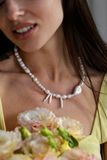
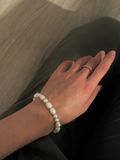
2. Freshwater pearls (China, Japan): Grown in rivers and lakes. Their main advantage is the incredible variety of shapes, sizes, and pastel shades (white, peach, lavender, pink). They are often nucleated only with a piece of mantle tissue (no bead), making them almost 100% nacre, which gives them great durability and beautiful depth of luster.
Natural (wild) pearls, found by divers, are today extremely rare and incredibly expensive, mostly appearing at auctions.
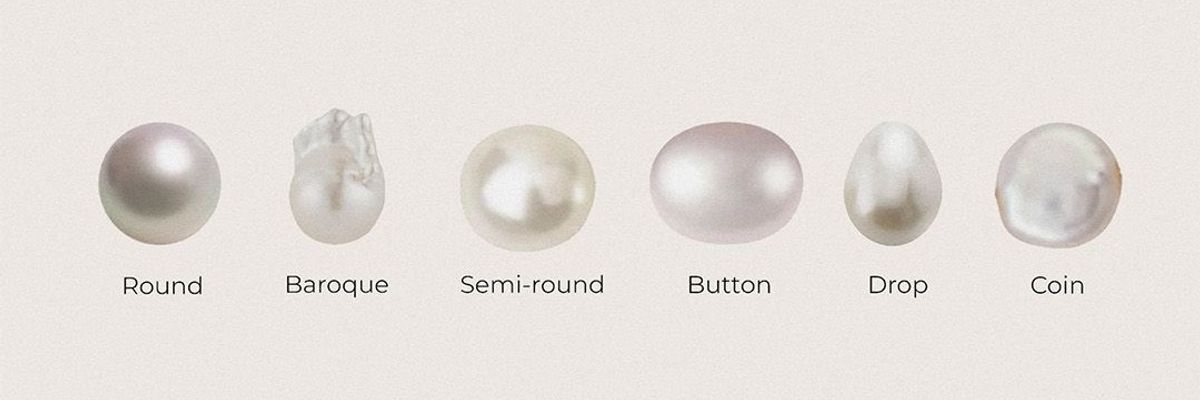
Shapes of pearls
- Round: Perfectly spherical, the most valuable.
- Near-round: Almost spherical, with minor variations.
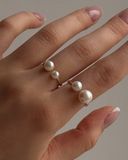
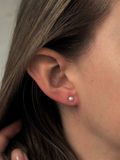
- Oval / Button: Button-shaped pearls are flattened spheres, often used in earrings.
- Drop: Pear-shaped, elegant for pendants and earrings.
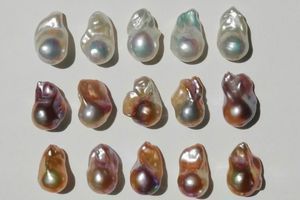
- Baroque: Irregular, one-of-a-kind shapes. Valued for individuality.
- Semi-Baroque: More ordered irregular forms, like symmetrical ovals or “rice” shapes.
Pearl quality grading – what to look for?
Key factors:
- Luster: The most important! High-quality pearls reflect light sharply, allowing you to see your reflection clearly. Dull, chalky pearls are low quality.
- Surface: Fewer blemishes, spots, or pits mean higher value. Flawless surfaces are very rare.
- Shape: The closer to a perfect sphere, the higher the price (for round pearls).
- Color: A combination of body color and overtone (a translucent tint over the base). Example: white pearl with a pink overtone.
- Matching: For strands and pairs, consistency in color, luster, size, and shape is critical.
Colors and shades
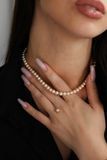
- White: Classic, with overtones of pink, silver, or cream.
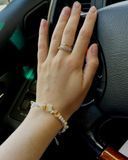
- Cream / Golden: From soft champagne to deep yellow-gold (South Sea).
- Black / Gray: Famous Tahitian shades – from silvery-gray to deep black with violet, green, or blue overtones.
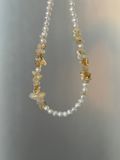
- Pastels: A signature of freshwater pearls – lavender, peach, pink, and light blue.
How to tell real pearls from fakes at home?
- Tooth test (careful!): Rub a pearl lightly against your tooth. Real pearls (natural or cultured) feel slightly gritty, like fine sandpaper, due to nacre layers. Glass or plastic will feel smooth.
- Rub test: Rub two pearls together. Real pearls resist slightly, sometimes leaving nacre powder that wipes away easily. Fakes glide smoothly.
- Visual check: Look at the drill hole (if present). Fakes often show chipped coating or visible cores. Real pearls have clean, sharp holes.
- Temperature: Real pearls feel cool to the touch and warm slowly. Plastic feels warm almost immediately.
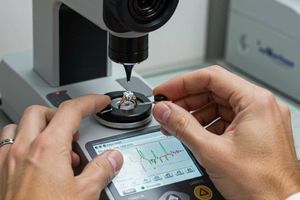
Note: These tests don’t replace professional expertise. For valuable jewelry, always consult a gemologist.
Pearl care – rules to extend their life
Pearls are children of water, but they are very delicate. Their main enemies: chemicals and dryness.
What NOT to do:
- Store in dry air (pearls can crack and lose luster).
- Expose to perfume, cosmetics, or cleaning chemicals.
- Wash with soap or harsh cleaners.
- Clean with ultrasound or steam (this destroys nacre).
Proper care:
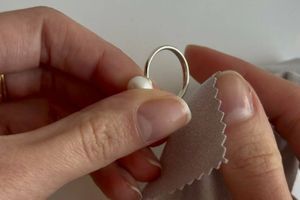
- Wipe pearls with a soft cloth after wearing.
- Occasionally clean with a damp cloth and dry immediately.
- Wear them! Natural skin oils are the best conditioner for pearls.
Pearls are more than jewelry. They are living gemstones, a story that requires care and attention. With proper care, you can pass them down to your grandchildren in their pristine beauty.
With best regards,
Your Gemologist.