“Does this stone suit me?” Gemologist on choosing semi-precious stones for everyday wear
Good afternoon, dear readers! People often come to me not only for appraisal, but also for advice before buying. The questions sound very similar: “I want to buy a ring with amethyst, but isn’t it too soft?”, “They say opal must not be exposed to water, is that true?”, “Which jewelry can survive an active lifestyle?”
Let’s break it down step by step. Choosing a semi-precious stone is not only about color and design. It is, first of all, about practicality and durability.
№1: “I’m afraid the stone will scratch or crack quickly”
This fear is absolutely justified! The key parameter here is hardness on the Mohs scale. Remember this simple rule:
- For daily wear in rings and bracelets, choose stones with a hardness of at least 7 on the Mohs scale.
Why? Sand and ordinary household dust (quartz particles) have a hardness of around 7. A stone with lower hardness will gradually scratch and lose its luster from simple contact with the air.
|
№2: “I heard some stones are afraid of water and sunlight”
Correct! Some stones require special care.
- Afraid of sunlight (fade over time):
- Amethyst: prolonged exposure to direct sunlight may cause it to fade. Never leave it on a windowsill.
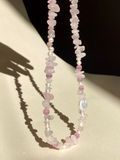
- Rose quartz: can also lose color intensity.
- Citrine: natural pale citrine is stable, but many citrines on the market are heat-treated amethysts — more colorfast.
- Topaz: certain varieties may fade.
- Afraid of water and chemicals:
- Opal: the most “capricious” stone. It contains water, so it may crack from drying or sudden temperature changes. Clean only with soft water; avoid saunas and hot baths.
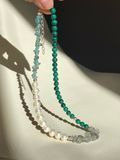
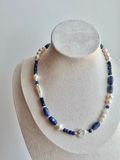
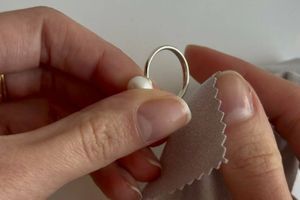
- Turquoise, malachite, lapis lazuli: porous stones. Contact with water, soap, perfumes or creams will cause dullness and stains. Clean only with a dry soft cloth.
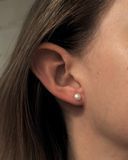
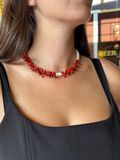
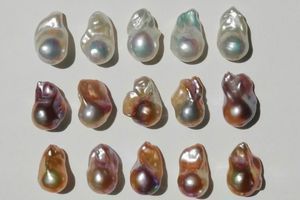
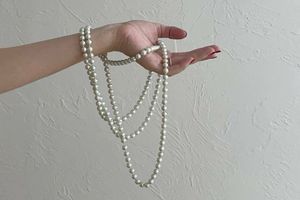
- Pearl and coral: as organic materials, they are extremely sensitive to any chemicals. Always wear them after applying perfume and makeup.
Main Concern №3: “How can I tell a natural stone from glass or a fake?”
This is a pain point for every second buyer. A few simple, but not 100% guaranteed tips:
- Temperature: Natural stones usually feel cool to the touch and warm up slowly in the hand. Glass or plastic warms up quickly.
- Weight: A natural stone is generally heavier than a glass imitation of the same size.
- Internal inclusions: Perfect clarity is rare for natural semi-precious stones. Under a loupe, you’ll often see small gas bubbles, cracks, or mineral inclusions (like “rain” inside amethyst). A perfectly clean stone without a single flaw is suspicious. In contrast, glass often shows round air bubbles.
- Price: A high-quality natural stone cannot cost “pennies.” A price that is too low is the main sign of a fake.
The most reliable way: buy from trusted sellers and request a certificate. In complex cases — consult a gemologist for professional expertise.
Conclusion: Your Checklist Before Buying
- Where will you wear it? (Rings/bracelets → hardness 7+. Earrings/pendants → more freedom of choice).
- What’s your lifestyle? (Spend lots of time in the sun? Remember fading. Use household chemicals often? Avoid porous stones).
- Are you ready to care for it? (Opals and turquoise require attention; quartz is almost carefree).
- Do you trust the seller? (Ask about the stone’s origin, request documentation).
Final Thought
Choosing jewelry with semi-precious stones is a wonderful opportunity to express yourself. And this choice will delight you for years if you take into account not only aesthetics, but also the physical properties of the stone.
✨ Wear with joy — and with knowledge!
Your Gemologist