“Does this stone suit me?” Gemologist on choosing semi-precious stones for everyday wear

Good afternoon, dear readers! People often come to me not only for appraisal, but also for advice before buying. The questions sound very similar: “I want to buy a ring with amethyst, but isn’t it too soft?”, “They say opal must not be exposed to water, is that true?”, “Which jewelry can survive an active lifestyle?”

Let’s break it down step by step. Choosing a semi-precious stone is not only about color and design. It is, first of all, about practicality and durability.


 №1: “I’m afraid the stone will scratch or crack quickly”

This fear is absolutely justified! The key parameter here is hardness on the Mohs scale. Remember this simple rule:

  • For daily wear in rings and bracelets, choose stones with a hardness of at least 7 on the Mohs scale.

Why? Sand and ordinary household dust (quartz particles) have a hardness of around 7. A stone with lower hardness will gradually scratch and lose its luster from simple contact with the air.

Quick Reference Table: Properties and Practicality of Gemstones in Jewelry
Gemstone Hardness (Mohs Scale) Resistance to Water, Chemicals, Sun Wearing and Care Recommendations Notes
Agate (a variety of quartz) 6.5 - 7 High. Resistant to water and sun. Ideal for daily wear in rings and bracelets. Low maintenance. A durable and affordable stone, one of the best for everyday jewelry.
Aquamarine (a variety of beryl) 7.5 - 8 High. Resistant, but prolonged sun exposure may cause fading. Excellent for everyday rings. Hard and stable enough. A reliable and beautiful stone for active wear.
Amethyst (a variety of quartz) 7 High resistance to water, but fears prolonged sun exposure – may fade. A great choice for rings and bracelets. Remove before going to the beach. Durable, but store in darkness to preserve the rich color.
Apatite 5 Low. Brittle, sensitive to acids and sudden temperature changes. Only for earrings, pendants, brooches. Not suitable for rings and bracelets. Very soft and fragile. Jewelry for special occasions, requiring maximum caution.
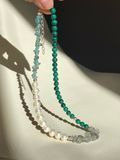
Turquoise 5 - 6 Very Low. Porous stone. Fears water, soap, perfume, grease, cosmetics. Fades from sun and sweat. Only for earrings and pendants. Rings and bracelets are a huge risk. Wipe only with a dry cloth. The most "delicate" of popular stones. Requires extremely careful handling.
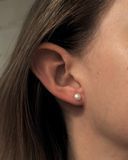
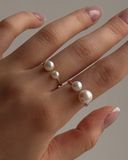
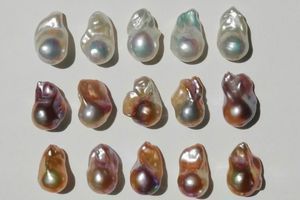
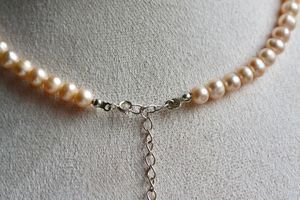
Pearl 2.5 - 4.5 Very Low. Organic material. Sensitive to acids (sweat, perfume), cosmetics, water (dulls). Earrings, pendants. Put on after applying cosmetics and perfume. Wipe with a soft, dry cloth after wearing. A symbol of luxury, requiring the most attentive care. Not for frequent daily wear.
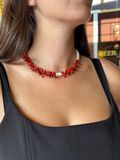
Coral 3 - 4 Very Low. Organic material. Fears everything: heat, acids, water, cosmetics. Only for "evening wear." Maximum caution. Wipe with a dry cloth. Like pearls, very soft and finicky. Scratches and fades easily.
Labradorite 6 - 6.5 Medium. Water-resistant, but fears impacts and sudden temperature changes. Best for earrings, pendants, brooches. Rings – only if the setting protects the stone. Avoid impacts. Valued for its unique play of colors (labradorescence). Stronger than opal, but still requires care.
Moonstone 6 - 6.5 Medium. Fears impacts, acids, and sudden temperature changes. Ideal for earrings and pendants. Rings – only for a calm lifestyle. A delicate stone with a magical shimmer. Mechanical stress is detrimental to it.
Malachite 3.5 - 4 Low. Soft and porous. Fears water, acids, scratches, high temperatures. Only for pendants and brooches. Rings and bracelets will quickly become damaged. Bright and beautiful, but extremely impractical for regular wear.
Mother of Pearl 2.5 - 4 Low. Organic material (inner layer of shells). Properties similar to pearls. Earrings, pendants. Protect from everything: chemicals, water, impacts. A beautiful and inexpensive alternative to pearls, but just as fragile.
Sodalite 5.5 - 6 Medium. Resistant to water, but fears acids and sudden temperature changes. Pendants, earrings, brooches. Not the best choice for a ring due to medium hardness. Similar to lapis lazuli but usually more uniform. Fairly durable with careful wearing.
Tiger's Eye (a variety of quartz) 7 High. Very resistant to external influences. Practically ideal for daily wear in any type of jewelry. Very durable. An excellent choice for men's and women's jewelry meant to be worn constantly.
Citrine (a variety of quartz) 7 Very High. Resistant to sun (unlike amethyst) and water. An excellent stone for everyday rings. Low maintenance and long-lasting. One of the most practical colored gemstones.
Jasper 6.5 - 7 Very High. Extremely resistant to any exposure: water, sun, chemicals. Suitable for absolutely everything. The best choice for active daily wear. Incredibly tough. Valued for its patterns and strength. Jasper jewelry can be passed down through generations.
Lava Stone (volcanic glass) 5 - 5.5 Medium. Porous, can absorb liquids and dirt. Earrings, pendants. Rings – with caution, avoid contact with water and chemicals. Lightweight and interesting in texture, but requires protection from contaminants.

 №2: “I heard some stones are afraid of water and sunlight”

Correct! Some stones require special care.

  • Afraid of sunlight (fade over time):
    • Amethyst: prolonged exposure to direct sunlight may cause it to fade. Never leave it on a windowsill.
    • Rose quartz: can also lose color intensity.
    • Citrine: natural pale citrine is stable, but many citrines on the market are heat-treated amethysts — more colorfast.
    • Topaz: certain varieties may fade.
  • Afraid of water and chemicals:
    • Opal: the most “capricious” stone. It contains water, so it may crack from drying or sudden temperature changes. Clean only with soft water; avoid saunas and hot baths.
    • Turquoise, malachite, lapis lazuli: porous stones. Contact with water, soap, perfumes or creams will cause dullness and stains. Clean only with a dry soft cloth.
    • Pearl and coral: as organic materials, they are extremely sensitive to any chemicals. Always wear them after applying perfume and makeup.


Main Concern №3: “How can I tell a natural stone from glass or a fake?”

This is a pain point for every second buyer. A few simple, but not 100% guaranteed tips:

  1. Temperature: Natural stones usually feel cool to the touch and warm up slowly in the hand. Glass or plastic warms up quickly.
  2. Weight: A natural stone is generally heavier than a glass imitation of the same size.
  3. Internal inclusions: Perfect clarity is rare for natural semi-precious stones. Under a loupe, you’ll often see small gas bubbles, cracks, or mineral inclusions (like “rain” inside amethyst). A perfectly clean stone without a single flaw is suspicious. In contrast, glass often shows round air bubbles.
  4. Price: A high-quality natural stone cannot cost “pennies.” A price that is too low is the main sign of a fake.

The most reliable way: buy from trusted sellers and request a certificate. In complex cases — consult a gemologist for professional expertise.


Conclusion: Your Checklist Before Buying

  1. Where will you wear it? (Rings/bracelets → hardness 7+. Earrings/pendants → more freedom of choice).
  2. What’s your lifestyle? (Spend lots of time in the sun? Remember fading. Use household chemicals often? Avoid porous stones).
  3. Are you ready to care for it? (Opals and turquoise require attention; quartz is almost carefree).
  4. Do you trust the seller? (Ask about the stone’s origin, request documentation).


Final Thought

Choosing jewelry with semi-precious stones is a wonderful opportunity to express yourself. And this choice will delight you for years if you take into account not only aesthetics, but also the physical properties of the stone.

✨ Wear with joy — and with knowledge!

Your Gemologist