Majorica Pearls: Luxurious Imitation. A Gemmologist Debunks the Myths.
Good day, dear readers! Today we’ll discuss a topic that often comes up in my practice. Clients often bring me jewelry proudly saying: “Look, I have antique pearls, Spanish Majorica! They’re real, right?”
Each time, I must gently but clearly explain: “Majorica pearls are neither natural nor cultured. They are high-quality, elite imitations.”
What is Majorica? A brand, not a type of pearl.
Majorica is not a natural phenomenon or a mollusk species. It’s a famous Spanish jewelry brand, founded in Mallorca in 1890. The company patented a unique technology to create perfect artificial pearls of the highest quality.
Their products are a benchmark in the world of imitations – but imitations nonetheless.
How are Majorica pearls made? The secret technology.
- Core: a solid glass bead inside. Real pearls are 100% nacre.
- Coating: dipped up to 30 times in essence containing guanine from fish scales, creating the iridescent luster.
- Hardening: each layer is dried and kiln-fired for durability.
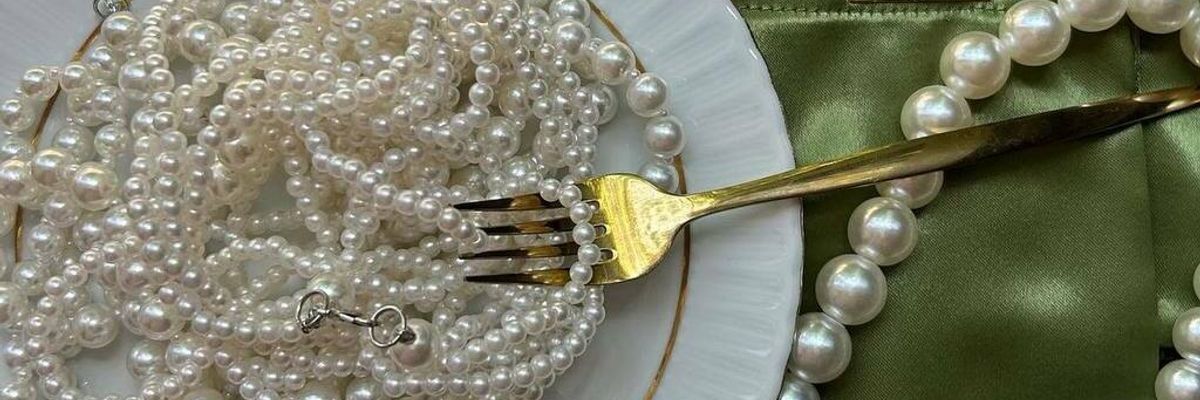
The result: perfectly round, heavy, glossy pearls with flawless surfaces.
Why mistaken for real – and why expensive?
· Flawless look.
· Heavy weight.
· Luxury brand heritage.
· Clever marketing (“pearls from Mallorca”).
How to tell the difference?
- Tooth test: real pearls feel gritty; Majorica feels smooth.
- Drill hole: natural pearls show layers; Majorica shows a glass core.
- Texture: unnaturally perfect.
Should you buy them?
Yes – as long as you know they’re imitations. They are durable, elegant, and long-lasting alternatives, but not substitutes for natural pearls.
Conclusion:
· Majorica = high-quality imitation.
· Not natural or cultured.
· Price = brand + technology, not rarity.
· Easy to spot: smooth, perfect finish.
Best regards,
Your Gemmologist.